
By SCOTT FELTS
For 172 consecutive home games at Neyland Stadium dating back to 2002, I have watched the Tennessee Volunteers through every high and low. Across that streak, the Vols have faced eight No. 1-ranked opponents at Neyland Stadium. Most of those games ended in decisive defeat.
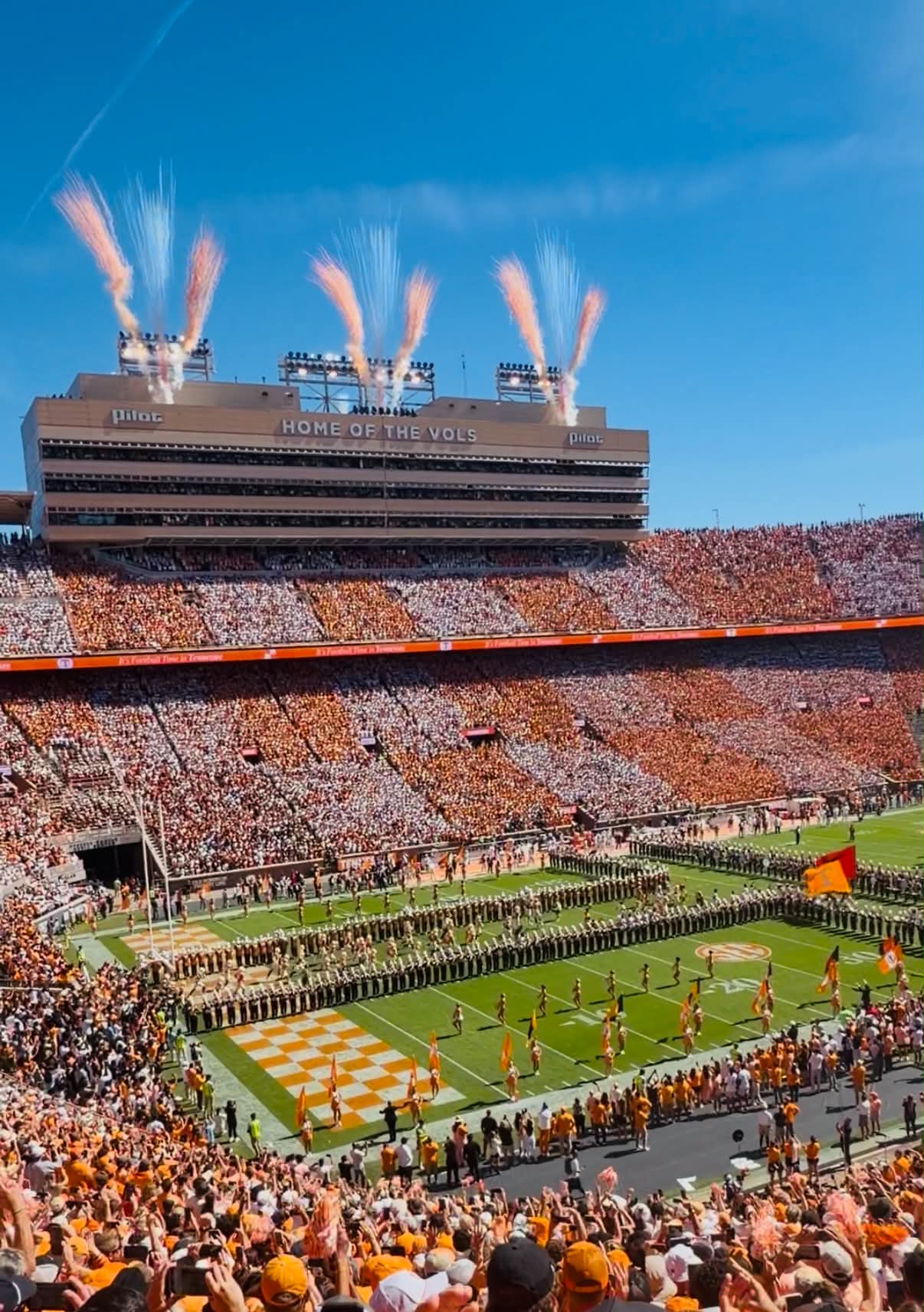
On September 26, 2026, against top-ranked Texas in a Checker Neyland atmosphere, the final score of 20-17 in the Longhorns’ favor and where the Vols are as a program felt different this time, even if every other game played against a number one ranked team ended with the same final result
Here are those eight games and the results:
- Miami, 2002: 26-3
- LSU, 2011: 38-7
- Alabama, 2012: 44-13
- Alabama, 2016: 49-10
- Alabama, 2018: 58-21
- Georgia, 2021: 41-17
- Georgia, 2023: 38-10
- Texas, 2026: 20-17
Earlier visits from No. 1 teams often felt like mismatches from even before the opening kick.
The 2002 Miami squad, a dominant Hurricanes group, limited Tennessee to a field goal in a 26–3 decision. The LSU and Alabama teams of the early-to-mid 2010s piled on points and controlled the line of scrimmage with ease. The 2016 and 2018 Alabama games produced the widest gaps, with the Tide scoring nearly 50 and 60 points respectively. Even the more recent Georgia contests in 2021 and 2023 saw the Bulldogs pull away to double-digit victories of more than 20 points.
Against Texas on Saturday, the script somewhat flipped. The Longhorns, led by Arch Manning and a stout defense that recorded 10 sacks, held a lead for most of the afternoon. Yet Tennessee refused to fold. A 57-yard punt return touchdown by Qua Moss tied the game at 10 in the third quarter. Trailing 20-10 late, freshman quarterback Faizon Brandon directed an 80-yard drive capped by a 30-yard touchdown pass to Mike Matthews with 1:22 remaining. The Vols recovered the ensuing onside kick, even though the Southeastern Conference has said the actual play should have been penalized, and had one final chance: a Hail Mary into the end zone that was knocked away as time expired.
Three points. One stop. A last-second prayer. That is a world away from the 23, 31, 37, and 39-point drubbings that defined earlier meetings with the top team in the country.
The difference on the field reflects how far the Tennessee program has come since that 2002 Miami loss.
The Vols of 2026, under Josh Heupel, play with better pace, stronger physicality, and a deeper belief in themselves.
Home sellouts have become the norm again. Neyland feels electric on a consistent basis rather than only on select nights. The program sits in a markedly better place in terms of recruiting, culture, resources, and on-field competitiveness than it did for more than a decade.
I’m a regular at Tennessee home games. The loss to Texas made my 172nd consecutive trip to Neyland. What makes my streak special, is not only the scores or the program’s trajectory: it’s the things I see and experience every game.
Checker Neyland turns the stands into a living quilt of orange-and-white quilt. Fans coordinate by section so the entire bowl becomes a checkerboard, a visual tradition that began in 2014 and has become one of the signature sights in college football. The pattern is more than aesthetics; it is a shared project that requires tens of thousands of people to cooperate for a single afternoon. There’s also the blackout “Dark Mode” game each season and the Smokey Grey uniform game. Then there’s the Pride of the Southland Marching Band and all the former players that return each week.
Then there are the familiar faces in the stands. Often it’s the same people, in the same sections, week after week. But it’s also the ushers who have worked those stairs for years and greet regulars by name. The conversations that pick up right where they left off the previous Saturday. Over nearly a quarter-century, those small connections accumulate into something that feels like community.
Neyland draws people from every corner of Tennessee and far beyond. Fans pour in from different states, different backgrounds, different politics, different economic circumstances.
For a few hours on fall Saturdays they set those differences aside. They stand together for the same team, sing the same songs, and cheer the same orange-clad players. In a country that often feels fractured, that shared purpose inside the stadium remains one of the purest things college football still offers.
The Texas game did not end the way anyone dressed in the orange or white shirts completing the checkerboard pattern wanted. A three-point loss to the No. 1 team still stings. Yet it also marked progress. The Vols no longer simply endure visits from the nation’s best; they push them to the brink. The program is healthier. The product on the field is more competitive.
The people who fill the seats may be strangers who become acquaintances, acquaintances who become friends and friends that become family. Many of them continue to show up, checkerboard or not, through every result.
One hundred seventy-two home games and counting. The scores change. The company, the traditions, and the feeling of belonging stay the same. That is the real story of my streak. See you there for 173!